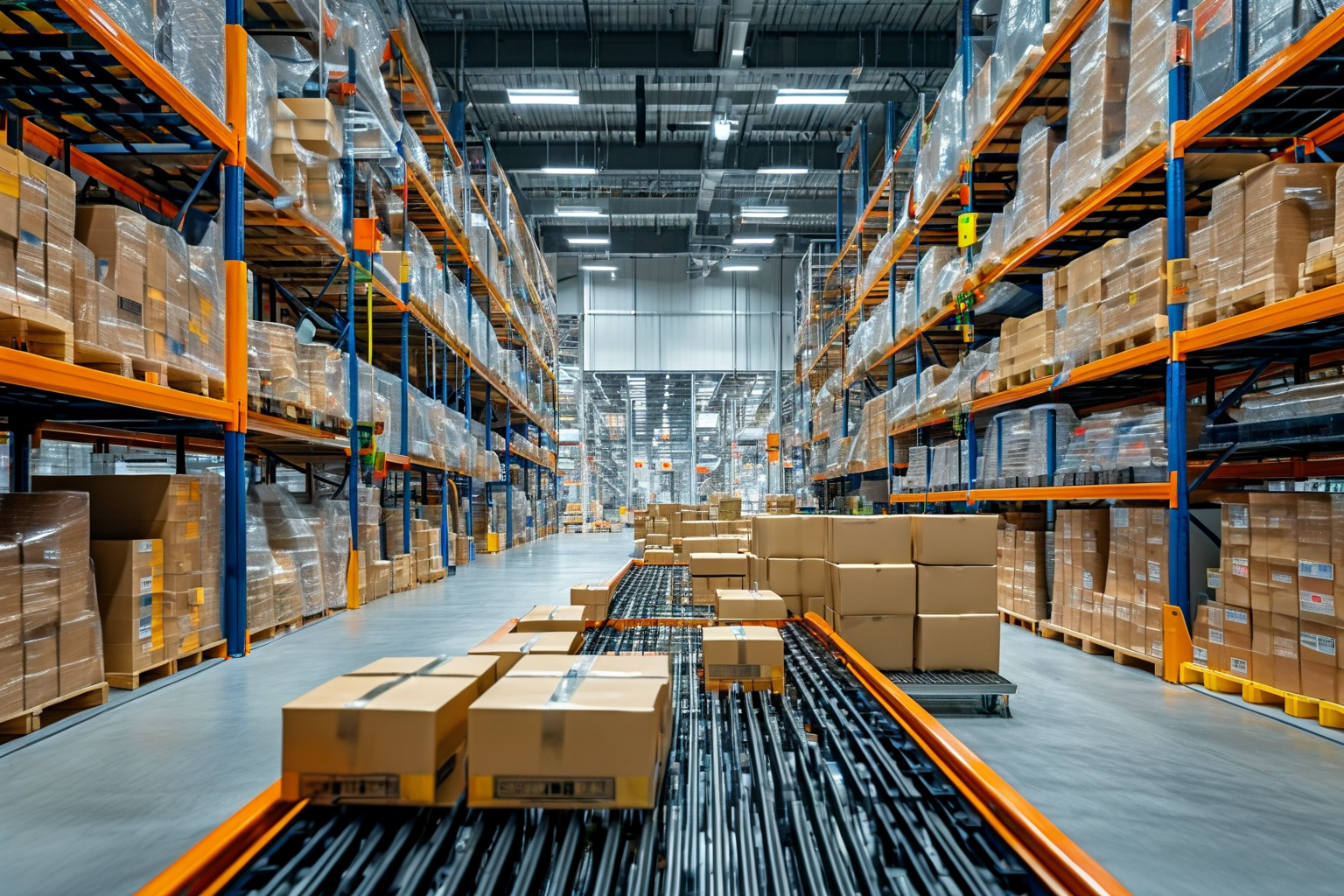
What Is FBA and How Does It Work? Fulfillment by Amazon (FBA) is Amazon’s end-to-end logistics service that lets sellers store inventory in Amazon’s global network of fulfillment centers. Once your products arrive at an Amazon warehouse, Amazon takes over picking, packing, shipping, customer service, and returns on your behalf. For sellers focused on scaling […]
What Is FBA and How Does It Work?
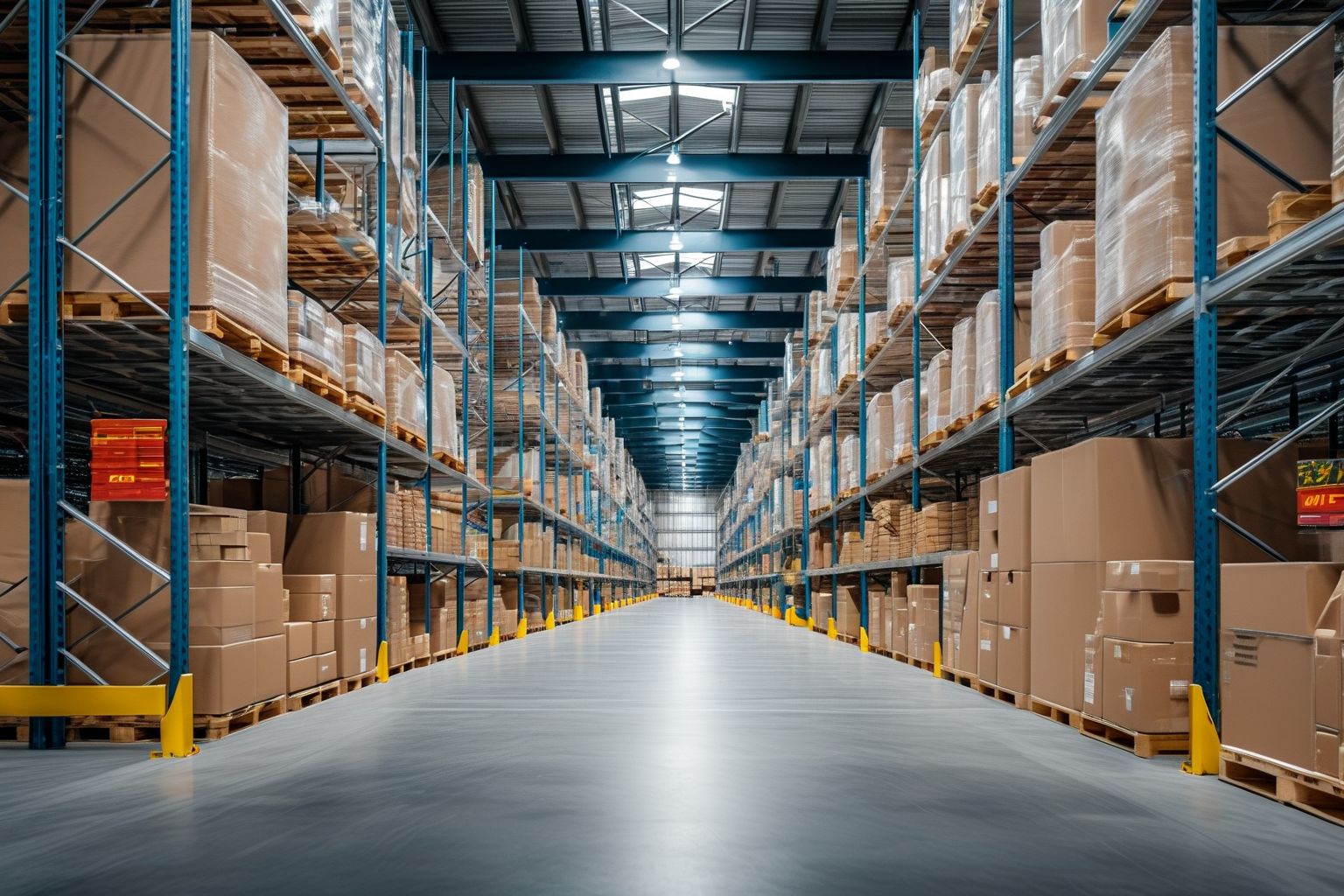





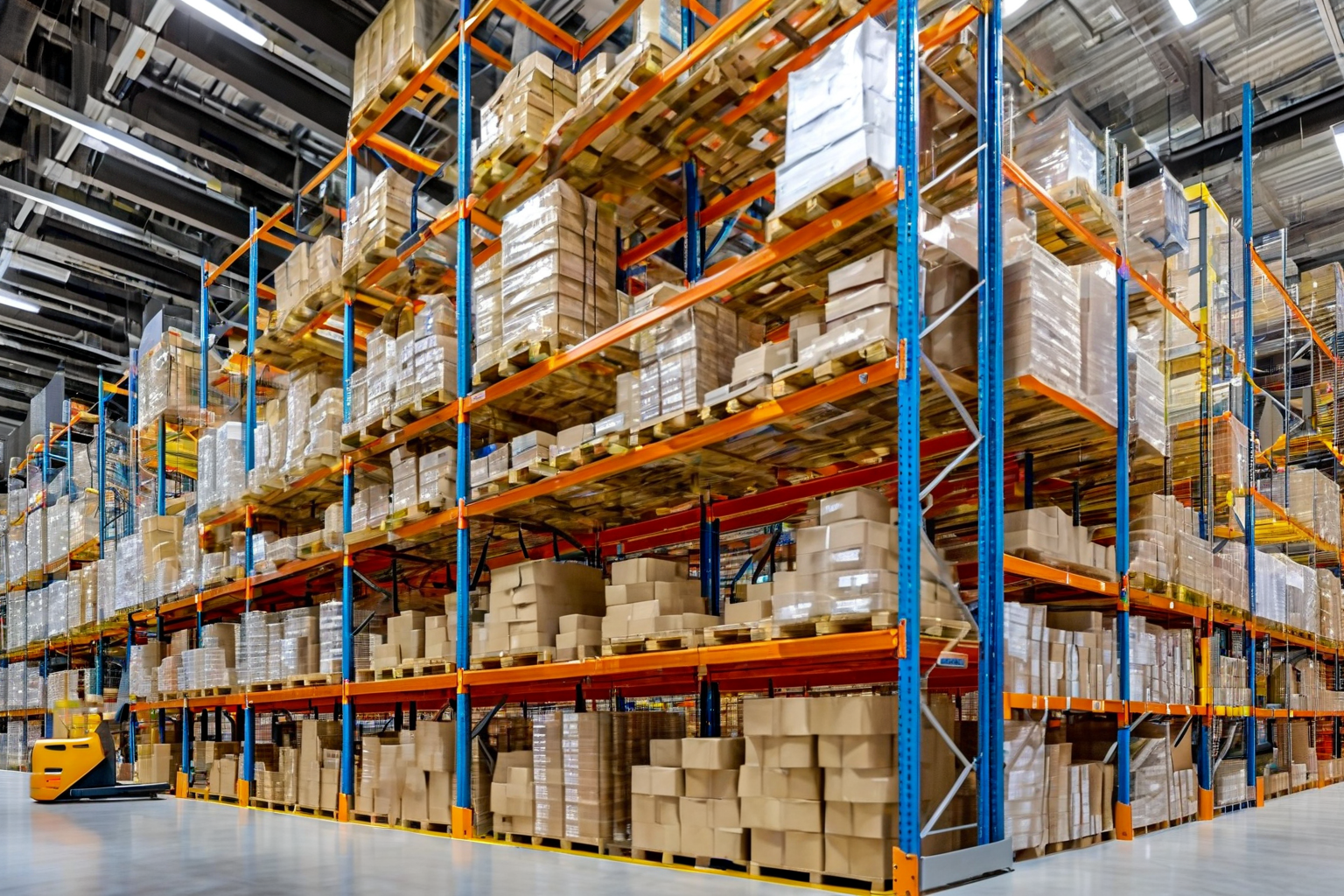
Fulfillment by Amazon (FBA) is Amazon’s end-to-end logistics service that lets sellers store inventory in Amazon’s global network of fulfillment centers. Once your products arrive at an Amazon warehouse, Amazon takes over picking, packing, shipping, customer service, and returns on your behalf. For sellers focused on scaling rather than managing warehouse staff, FBA turns Amazon into a fully operational 3PL partner.
How the FBA Process Works Step by Step
The FBA workflow is straightforward once your account is enrolled in the program:
- Source or manufacture your products. Most sellers procure goods domestically or import from overseas suppliers.
- Ship inventory to Amazon. You create a shipment plan in Seller Central, print FBA labels, and send goods to the designated fulfillment center. For international shipments, many sellers use freight forwarders or specialized logistics partners like FastShip China to coordinate sea or air freight into Amazon’s network.
- Amazon receives and stores your inventory. Products are scanned, placed in bins or on shelves, and made available for Prime customers.
- Amazon fulfills customer orders. When a shopper buys your product, Amazon picks, packs, and ships it using its own carrier relationships.
- Amazon handles post-sale support. Returns, refunds, and customer inquiries are managed by Amazon’s support team.
What FBA Covers (and What It Doesn’t)
Before enrolling, sellers should understand exactly which responsibilities shift to Amazon and which remain with the seller.
| Responsibility | Covered by FBA | Seller Still Manages |
|---|---|---|
| Warehousing | Yes | No |
| Picking & packing | Yes | No |
| Shipping to customer | Yes | No |
| Returns & refunds | Yes | No |
| Customer service | Yes | No |
| Product sourcing | No | Yes |
| Listing optimization | No | Yes |
| Advertising & pricing | No | Yes |
| Initial freight to Amazon | No | Yes |
| Compliance & labeling | No | Yes |
Key FBA Costs Sellers Need to Model
FBA is convenient, but it is not free. Amazon charges fulfillment fees based on product size and weight, plus monthly inventory storage fees that fluctuate by season and storage utilization. Long-term storage fees apply to slow-moving inventory, and removal or disposal fees kick in if you want inventory returned or destroyed. Sellers importing goods should also factor in duties, customs clearance, and inbound freight costs to the fulfillment center.
Practical FBA Readiness Checklist
Use this checklist before sending your first shipment to Amazon:
- Product is enrolled in Amazon Brand Registry or has a valid GTIN/UPC.
- FBA product dimensions and weight are accurately measured for fee estimation.
- Packaging meets Amazon’s FBA prep and labeling requirements.
- Shipment plan is created in Seller Central with correct ship-from address.
- Inbound freight partner is confirmed, with tracking for delivery to the fulfillment center.
- Customs documentation is complete for international shipments.
- Inventory placement settings and inbound placement service fees are reviewed.
- Selling price accounts for FBA fees, storage, and target margin.
- Replenishment strategy is planned to avoid stockouts and long-term storage.
When FBA Makes the Most Sense
FBA is typically the right choice for sellers with high-volume, standardized products who want Prime eligibility and hands-off logistics. It is especially effective for brands targeting Amazon’s Prime customer base, where fast, free shipping directly influences conversion rates. If your products are small, lightweight, and sell consistently, FBA can reduce operational overhead and free up capital that would otherwise be tied to warehouse leases and labor.
That said, FBA is not universal. Heavy, bulky, or slow-moving products can rack up storage fees that erode margins. Sellers who need direct control over packaging, inserts, or unboxing experience may also find FBA’s standardized fulfillment limiting. In those cases, understanding the alternative, FBM, is critical before committing to a fulfillment strategy.
What Is FBM and When Should Sellers Use It?
Amazon sellers today have two primary fulfillment paths: Fulfillment by Amazon (FBA) and Fulfillment by Merchant (FBM). While FBA handles storage, packing, and delivery inside Amazon’s network, FBM places those responsibilities directly on the seller. For businesses looking at shipping non-FBA products to Amazon, FBM offers a flexible alternative that can improve margins, preserve brand control, and simplify operations for the right product catalog.
How FBM Works in Practice
Under FBM, the seller lists products on Amazon as usual, but when an order is placed, the merchant picks, packs, and ships the item to the customer. The seller also manages customer service and returns, unless the account is enrolled in Amazon’s Seller-Fulfilled Prime (SFP) program with specific service requirements. FBM is especially common among sellers with established warehouse operations, high-value or oversized goods, and brands that want direct control over packaging and inserts.
When shipping non-FBA products to Amazon, logistics partners such as FastShip China can help manage first-mile freight, customs clearance, and final-mile delivery, giving sellers a reliable backbone without surrendering inventory to Amazon’s warehouses. This is a practical choice for merchants who source from overseas suppliers and want to maintain control over stock levels and fulfillment timing.
When FBM Makes Business Sense
FBM is not the right fit for every catalog, but it can be the more cost-effective and operationally sound choice in several scenarios:
- Low-turnover or seasonal products: Avoid long-term FBA storage fees and stranded inventory risk by keeping stock in your own warehouse.
- Large, heavy, or fragile items: FBA fees for oversize products can be steep; in-house or third-party fulfillment may reduce per-unit costs.
- Products with strong margins but low velocity: FBA pick-and-pack fees can erode profitability on items that sell only a few units per month.
- Brands focused on customer experience: Custom packaging, thank-you cards, and return policies remain under the seller’s control.
- Multi-channel sellers: The same inventory can feed Amazon, your own store, and other marketplaces without splitting stock between networks.
FBM Checklist for Amazon Sellers
Before switching a product to FBM, evaluate whether your operation can consistently meet customer expectations and Amazon’s performance standards. Use this checklist to assess readiness:
| Area | Check |
|---|---|
| Warehousing | Do you have climate-appropriate storage and accurate real-time inventory tracking? |
| Packing | Can you pack orders securely and include branded inserts within Amazon’s policies? |
| Shipping | Do you have negotiated carrier rates and clear delivery-time commitments? |
| Customer service | Can you respond to buyer messages within Amazon’s required windows? |
| Returns | Is your returns process fast, compliant, and cost-efficient? |
| Multi-channel | Can the same inventory pool support Amazon, Shopify, and wholesale orders? |
| International logistics | Have you confirmed reliable freight partners, such as FastShip China, for cross-border sourcing? |
Key Trade-Offs to Understand
FBM removes many FBA fees, but it also removes the Prime badge unless you qualify for SFP. Without the Prime badge, conversion rates may dip on listings that compete directly with FBA offers. Sellers must also maintain strict on-time shipment and valid tracking rates; failure to do so can lead to account health penalties or suspension.
On the upside, FBM gives sellers clearer unit economics and the ability to test products without shipping large quantities into Amazon’s fulfillment centers. For businesses with lean supply chains, direct supplier relationships, or specialized logistics partners, shipping non-FBA products to Amazon can be a more sustainable path to scale.
Final Takeaway
FBM is best viewed as a strategic lever, not a fallback. It fits sellers who can control inventory, fulfill quickly, and absorb the operational load in exchange for margin flexibility and brand control. If your catalog includes slow-moving, bulky, or high-margin items, FBM deserves a serious look as part of a balanced Amazon fulfillment strategy.
FBA Pros: Why Sellers Choose Amazon’s Fulfillment Network
Amazon’s Fulfillment by Amazon (FBA) program has become the preferred logistics model for millions of third-party sellers. Whether you’re launching a new SKU or scaling a seven-figure catalog, FBA offers distinct advantages that directly impact visibility, conversion rates, and operational bandwidth. For businesses sourcing from overseas suppliers, partners like FastShip China can streamline inbound freight to FBA warehouses, but the real value begins once inventory hits Amazon’s network.
Prime Eligibility and Higher Conversion Rates
The single most compelling reason sellers choose FBA is the Prime badge. Products fulfilled by Amazon qualify for Prime two-day (and increasingly one-day) shipping, which influences both search ranking and buyer behavior. Prime members convert at significantly higher rates than non-Prime shoppers, and many filter search results to show only Prime-eligible items. In practice, FBA can lift conversion rates by 20% to 50% compared to merchant-fulfilled listings, depending on category and price point.
From a B2B perspective, this means your listing competes on equal footing with established brands and first-party vendors. For seasonal or high-velocity products, Prime eligibility is often the difference between ranking on page one and getting buried past page two.
Hands-Off Storage, Packing, and Shipping
FBA transfers the heavy lifting of warehouse management to Amazon. Once your inventory is received at a fulfillment center, Amazon handles storage, picking, packing, shipping, and customer service. Returns and refunds are also managed through Amazon’s system, reducing the internal headcount required for logistics operations.
This is especially valuable for sellers who lack warehouse space, want to operate lean teams, or prefer to reinvest labor hours into product development, marketing, and supplier negotiation. For international sellers, coordinating inbound shipments from manufacturing hubs through FastShip China to Amazon’s receiving docks keeps the supply chain predictable without requiring a domestic warehouse.
Customer Trust and Buy Box Advantages
Amazon customers associate FBA with reliable delivery and easy returns. That trust translates into higher click-through rates and fewer abandoned carts. In addition, FBA sellers often have an edge in winning the Buy Box, particularly when competing with other third-party offers on the same ASIN. While price and seller metrics remain important, FBA fulfillment is a weighted factor in Amazon’s Buy Box algorithm.
Winning the Buy Box is critical for sellers using Sponsored Products or other paid campaigns, since the majority of ad traffic flows to the featured offer. FBA effectively lowers the cost-per-acquisition threshold by improving placement and conversion.
Multi-Channel Fulfillment (MCF) Capabilities
Modern FBA isn’t limited to Amazon sales. With Multi-Channel Fulfillment, sellers can use Amazon’s warehouses to fulfill orders from Shopify, Walmart, eBay, or their own direct-to-consumer sites. This creates inventory consolidation and operational simplicity, allowing one pool of stock to serve multiple sales channels.
MCF is particularly useful for brands that want to maintain Amazon Prime eligibility while growing an off-Amazon customer base. It also provides a fallback option during warehouse transitions or peak periods when merchant-fulfilled capacity is constrained.
Practical Checklist: Is FBA Right for Your Product?
| Criteria | FBA-Friendly | Considerations |
|---|---|---|
| Product size and weight | Small, lightweight items | Large or heavy items incur higher storage and fulfillment fees |
| Turnover rate | Fast-moving SKUs | Slow movers accumulate long-term storage fees |
| Margin structure | Healthy post-fee margin | FBA fees, inbound costs, and referral fees must be modeled |
| Customer service bandwidth | Limited internal support | FBA handles returns and customer inquiries |
| Prime competitiveness | Category dominated by Prime offers | FBA may be necessary to rank and convert |
| Inbound logistics | Reliable freight partner | Freight forwarders and consolidators such as FastShip China help maintain consistent inbound flow |
Scalability Without Proportional Overhead
One of FBA’s less visible advantages is scalability. During Q4, Prime Day, or viral product spikes, Amazon’s fulfillment network can absorb order surges that would overwhelm most in-house operations. Sellers don’t need to hire seasonal staff, lease temporary warehouse space, or negotiate last-minute shipping contracts. This elasticity is a major reason FBA remains attractive to growing brands and aggregators acquiring Amazon-native businesses.
That said, FBA is not a one-size-fits-all solution. Fee structure, inventory limits, and inbound logistics require careful planning. Sellers should calculate total landed cost including Amazon fees, freight, and any prep services before committing fully. When executed well, FBA frees up time, improves customer experience, and positions a product for sustainable growth in Amazon’s marketplace ecosystem.
FBA Cons: Hidden Costs and Operational Challenges
Fulfillment by Amazon (FBA) is often marketed as the turnkey path to Prime eligibility and hands-off logistics. But for many sellers, the promise of “set it and forget it” masks a complex cost structure and operational rigidity that can erode margins, especially for seasonal, low-margin, or bulky inventory. Before committing your entire catalog to Amazon’s warehouses, it is worth understanding where FBA becomes a liability rather than a lever.
Fee Stacking Eats into Margins
Amazon FBA fees are rarely limited to the headline fulfillment cost. Sellers typically absorb inbound placement fees, storage fees, fulfillment fees, low-inventory-level fees, and aged-inventory surcharges. During Q4, storage rates can jump to several times their off-peak levels, turning holiday surplus into a penalty. Products that sit longer than six months also trigger long-term storage fees, which can make a slow-moving SKU unprofitable overnight. For sellers sourcing from overseas, inbound logistics—whether through FastShip China or another consolidated freight partner—must be factored into landed cost before sending inventory to Amazon, or the per-unit economics collapse once the storage clock starts ticking.
Loss of Brand Control and Customer Data
When Amazon handles fulfillment, it controls the unboxing experience, inserts, and return messaging. Sellers lose the ability to build direct customer relationships, collect email opt-ins, or upsell future products. Returns are processed by Amazon, which can be lenient to buyers and leave sellers absorbing the cost of damaged or used-product returns. For brands trying to build loyalty outside the marketplace, this walled-garden effect is a long-term strategic cost.
Inventory Restrictions and Placement Risks
Amazon frequently imposes restock limits, inventory capacity limits, and inbound placement requirements. If a hot-selling SKU is capped at 1,000 units, you may stock out during a peak while slower SKUs consume your allocation. Amazon can also require splitting inbound shipments to multiple fulfillment centers, increasing complexity and cost. Sellers relying on a single logistics lane—such as a FastShip China sea freight consolidation—need backup routing plans to avoid being caught by surprise when Amazon redirects shipments.
Preparation and Compliance Burden
Every unit must meet Amazon’s labeling, packaging, and bagging requirements. Noncompliance results in chargebacks, delays, or refusal at the fulfillment center. For new sellers, this prep work either consumes internal labor or requires paying a third-party prep center. Either way, the cost is real and recurring, not a one-time onboarding friction.
Practical FBA Risk Checklist
| Cost or Risk Factor | What to Check Before Enrolling | Red Flag |
|---|---|---|
| Fulfillment fees | Compare per-unit FBA fee against current 3PL or self-fulfill cost | FBA fee exceeds 25% of sale price |
| Storage fees | Estimate 90-, 180-, and 365-day storage costs | Product turns fewer than 3 times per year |
| Inbound logistics | Include freight, customs, drayage, and final-mile placement | Landed cost is unknown or highly variable |
| Restock limits | Review current Inventory Performance Index and capacity limits | History of stockouts during peak seasons |
| Return rate | Benchmark category average return rate | Return rate above 10% or fragile product category |
| Prep requirements | Confirm labeling, polybag, and carton labeling standards | Requires complex bundling or oversized packaging |
When FBA Is the Wrong Fit
FBA tends to hurt most when products are slow-moving, oversized, low-margin, or highly seasonal. A $10 item with a 40% FBA fee burden is hard to rescue with volume alone. Likewise, products with dimensions that trigger oversize surcharges can see fulfillment costs double or triple compared to standard-size equivalents. Sellers should run a true landed-cost model, including every Amazon fee and the full logistics chain from origin to fulfillment center, before deciding whether FBA is cost-effective.
Bottom Line
FBA is not inherently bad, but it is not inherently cheaper. It is a trade-off between convenience and control. For sellers with high-velocity, standard-size products and predictable demand, the Prime badge and logistics scale can be powerful. For everyone else, hidden fees, storage penalties, and compliance overhead can convert a growth channel into a margin drain. Model the full cost, stress-test your worst-case scenarios, and keep fulfillment alternatives—whether self-fulfillment, 3PL, or a hybrid model—in play.
FBM Pros: Control, Flexibility, and Cost Savings
For Amazon sellers who prefer to keep operations in-house, Fulfilled by Merchant (FBM) offers a compelling alternative to FBA. While FBA hands off storage, packing, and shipping to Amazon, FBM puts you in the driver’s seat. This control appeals to sellers with specialized products, seasonal inventory swings, or existing logistics networks. If your goal is to protect margins, customize the customer experience, and scale without being locked into Amazon’s fee structure, FBM may be the better long-term play.
1. Greater Control Over Brand and Customer Experience
With FBM, every touchpoint after the sale belongs to you. You choose the packaging, inserts, shipping carriers, and return policies. This freedom is especially valuable for B2B sellers, premium brands, or businesses that bundle products. A branded unboxing experience can turn a one-time buyer into a repeat customer. You can also communicate directly with buyers when issues arise, rather than routing through Amazon’s support channels.
FastShip China and similar logistics partners support this model by letting you control the final-mile carrier and packaging standards, even when sourcing internationally. That continuity matters when your brand reputation depends on consistent delivery quality.
2. Lower Fees for Slow-Moving or Oversized Items
FBA’s storage fees, long-term storage penalties, and dimensional-weight pricing can erode margins on bulky, heavy, or slow-selling products. FBM lets you avoid these costs by storing goods in your own warehouse or a third-party fulfillment center. You only pay for the space and labor you use, and you can choose a storage strategy that fits your SKU mix.
For sellers managing inventory from overseas suppliers, this flexibility is crucial. You can land smaller batches, test SKUs, and avoid the risk of stranded inventory at Amazon fulfillment centers.
3. Flexibility to Sell Across Multiple Channels
FBM inventory is not tied to Amazon. The same stock can fulfill orders from your own website, Walmart, eBay, or wholesale channels. This multi-channel efficiency lowers overhead and reduces the risk of stockouts or overstock situations. For growing businesses, FBM provides a unified logistics backbone rather than a channel-specific one.
4. Simpler Returns and Direct Feedback Loops
When you handle returns yourself, you inspect products, spot defects faster, and adjust quality control before negative reviews accumulate. You also control restocking fees and refund timing, which can improve cash flow compared to Amazon’s standard FBA return policies.
Practical FBM Advantage Checklist
| Advantage | Why It Matters for Amazon Sellers | Best For |
|---|---|---|
| Brand control | Custom packaging, inserts, and direct buyer communication | Premium and private-label brands |
| Cost savings | Avoid FBA storage, long-term, and dimensional-weight fees | Bulky, heavy, or slow-moving SKUs |
| Multi-channel fulfillment | Use one inventory pool for Amazon, DTC, and other marketplaces | Businesses selling on 2+ channels |
| Operational flexibility | Adjust storage, carriers, and staffing based on demand | Seasonal or test-and-scale sellers |
| Returns insight | Inspect returns directly and improve quality control | Sellers focused on review health |
When FBM Is the Smarter Choice
FBM is not a universal upgrade over FBA, but it is often the smarter choice when margins are tight, products are non-standard, or your brand depends on a differentiated post-purchase experience. Sellers who source through international partners like FastShip China can also benefit from FBM by maintaining closer control over inbound quality, custom packaging, and final-mile carrier selection.
The key is to model your true costs. Compare FBA fees against your warehouse, labor, shipping, software, and returns-handling expenses. If your total landed cost per unit is lower under FBM, and your customer experience does not suffer, you gain both profitability and operational independence.
FBM Cons: Time, Resources, and Customer Experience Trade-offs
Shipping non-FBA products to Amazon through Fulfillment by Merchant (FBM) gives you control, but that control comes with real operational costs. If you are evaluating whether to handle fulfillment yourself, you need to understand where FBM can strain your time, resources, and customer experience. The next sections break down the main disadvantages and what they mean for your business.
1. Time-Intensive Operations
With FBM, every order becomes your responsibility. You pick, pack, label, and ship each item. You also handle returns, exchanges, and customer inquiries about delivery status. As order volume grows, so does the workload. A seller doing 50 orders a week might manage alone, but at 500 orders a week, fulfillment can consume most of your working hours. Without systems, you will spend less time on sourcing, marketing, and strategy. For sellers importing inventory, working with a reliable logistics partner such as FastShip China can improve inbound lead times, but the outbound daily packing and shipping still fall entirely on your team.
2. Higher Resource and Infrastructure Costs
FBM shifts warehouse, packaging, labor, and shipping costs from Amazon to you. You need storage space, packing materials, postage accounts, and possibly staff. While you avoid FBA storage fees, you may pay more for small-parcel shipping rates than Amazon negotiated with carriers. You also carry the risk of excess inventory sitting in your own warehouse. These costs are manageable at scale but can eat into margins for newer or lower-volume sellers.
3. Customer Experience and Prime Eligibility Risks
Amazon customers expect fast, predictable delivery. FBM listings generally do not qualify for Prime by default, unless you are enrolled in Seller Fulfilled Prime and meet strict performance standards. Without the Prime badge, your listing may get fewer impressions and conversions. Shipping delays, damaged packages, or slow responses to delivery questions can lead to negative reviews, lower seller ratings, and account health issues. In a marketplace where trust and speed are currency, FBM sellers must work harder to match the perceived reliability of FBA.
4. Complexity in Returns and Customer Service
FBM sellers handle returns directly, including return authorizations, refunds, restocking, and disposal of damaged goods. Amazon customers can return FBM items under Amazon’s standard return policy, which means you must accept returns within the allowed window. This adds administrative work and can create cash-flow timing issues. Poorly managed returns quickly damage your seller metrics and can affect your ability to win the Buy Box.
FBM Readiness Checklist
| Area | Question to Ask | Risk if Not Ready |
|---|---|---|
| Time | Can we pack and ship daily without delaying growth work? | Fulfillment bottlenecks and missed sales opportunities |
| Resources | Do we have warehouse space, labor, and packaging supplies? | High per-unit costs and operational stress |
| Shipping | Are our carrier rates competitive with FBA? | Lower margins and slower delivery |
| Customer Experience | Can we meet Amazon’s delivery expectations consistently? | Negative reviews and reduced Buy Box eligibility |
| Returns | Do we have a clear return and refund process? | Account health issues and unhappy customers |
| Inbound Logistics | Is our supply chain reliable from origin to warehouse? | Stockouts and unpredictable fulfillment windows |
Bottom Line
FBM can be the right choice for sellers who want control over inventory, branding, and fulfillment costs. However, it demands more time, stronger logistics, and tighter customer service than FBA. Before committing, honestly assess whether your team can handle the daily workload and whether your logistics partners can keep inventory flowing. If your inbound supply chain is uncertain, partners like FastShip China can help stabilize shipping from overseas suppliers, but the outbound experience is still yours to own. Choose FBM when you are prepared to operate like a small-scale fulfillment center, not just a product seller.
7. Cost-Effectiveness Analysis: FBA vs FBM by Business Size
Choosing between Fulfillment by Amazon (FBA) and Fulfillment by Merchant (FBM) is rarely a matter of preference alone. For most Amazon sellers, the decision hinges on cost-effectiveness, and the right answer varies dramatically depending on business size, order volume, and operational maturity. In this section, we break down how FBA and FBM compare across the three most common seller profiles: startups, mid-size businesses, and established enterprises.
Why Business Size Changes the Math
Amazon FBA charges fulfillment fees based on product size, weight, and storage time, while FBM shifts cost responsibility to the seller. For small sellers, the fixed overhead of FBM—warehouse space, labor, packaging, and shipping logistics—can feel expensive. But for larger sellers, economies of scale often make FBM the cheaper path. The key is to model your true cost per order, not just headline Amazon fees.
Logistics partners like FastShip China can help sellers who operate in both models by streamlining inbound freight and cross-border shipping, whether you are sending bulk inventory to Amazon fulfillment centers or fulfilling customer orders directly from your own warehouse.
Cost Comparison by Business Size
The following table estimates monthly costs for a typical private-label seller using standard-size products. Figures are approximate and will vary by category, seasonality, and destination.
| Cost Factor | Startup (1–50 orders/month) | Mid-Size (500–2,000 orders/month) | Enterprise (10,000+ orders/month) |
|---|---|---|---|
| FBA Fulfillment Fee | ~$3.50–$6.00 per unit | ~$3.50–$6.00 per unit | ~$3.50–$6.00 per unit |
| FBA Storage Fees | $25–$75/month | $300–$800/month | $3,000–$10,000+/month |
| FBM Warehouse + Labor | $500–$1,000/month | $2,000–$5,000/month | $15,000–$40,000/month |
| FBM Shipping (per unit) | $5.00–$8.00 | $3.50–$5.50 | $2.50–$4.00 |
| Amazon Referral Fees | 8%–15% of sale price (same for both models) | ||
| Estimated Monthly Total | FBA: $200–$500 FBM: $800–$1,500 |
FBA: $3,000–$9,000 FBM: $5,000–$12,000 |
FBA: $35,000–$80,000 FBM: $40,000–$80,000+ |
At low volumes, FBA is usually the more cost-effective option because it converts fixed warehouse costs into variable per-unit fees. As volume rises, the per-unit advantage of FBA shrinks, and sellers with efficient in-house fulfillment can match or beat Amazon’s pricing—especially during peak Q4 storage surcharge periods.
Hidden Costs to Consider
Beyond the obvious line items, sellers should factor in:
- Inventory risk: FBA charges long-term storage fees for slow-moving stock, while FBM gives you more control over inventory turns.
- Returns processing: FBA handles customer returns but may charge disposal or removal fees; FBM puts return logistics on your plate.
- Time and opportunity cost: FBM demands more operational attention, which can divert focus from product development and marketing.
- International logistics: For sellers sourcing from overseas, freight coordination can swing total landed cost significantly. Reliable freight forwarding from partners like FastShip China can reduce both FBA inbound and FBM direct-to-customer shipping costs.
When to Choose What
Startups: FBA generally wins on simplicity and cost. You avoid warehouse leases and benefit from Prime eligibility from day one.
Mid-size sellers: The decision becomes tactical. A hybrid model—using FBA for fast-moving SKUs and FBM for bulky or slow-moving items—often delivers the best margin.
Enterprises: FBM becomes increasingly attractive if you have negotiated carrier rates, multi-channel fulfillment needs, and dedicated warehouse staff. At this scale, controlling the full supply chain can outperform FBA on both cost and flexibility.
Final Takeaway
There is no universal winner between FBA and FBM. The most cost-effective fulfillment strategy is the one that aligns with your order volume, product characteristics, and operational bandwidth. Re-evaluate the model at least quarterly, and stress-test assumptions around storage fees, shipping rates, and seasonal volume spikes. The sellers who treat fulfillment as a dynamic cost center—not a one-time decision—are the ones that protect margin as they scale.
Hybrid Models: Combining FBA and FBM for Maximum Efficiency
Most Amazon sellers treat Fulfillment by Amazon (FBA) and Fulfillment by Merchant (FBM) as an either-or decision. But the most resilient sellers use a hybrid fulfillment model—strategically splitting inventory between Amazon’s warehouses and their own fulfillment network. Done right, this approach lowers costs, improves delivery speed, and reduces dependence on a single fulfillment channel.
Hybrid models work best when product characteristics vary. Fast-moving, high-margin items with predictable demand often belong in FBA, while bulky, low-velocity, or seasonal products may be cheaper to fulfill yourself. A logistics partner like FastShip China can help manage inbound replenishment and cross-border freight, giving you more flexibility to place inventory where it performs best.
When to Use FBA vs. FBM in a Hybrid Model
Not every SKU should follow the same fulfillment rule. A hybrid strategy lets you match each product to its ideal fulfillment channel based on cost, speed, and risk.
Use FBA for:
- High-velocity products with steady sales velocity
- Small, lightweight items with low storage costs
- Products eligible for Prime, where the badge drives conversion
- Inventory where Amazon’s shipping rates undercut your own logistics costs
Use FBM for:
- Oversized or heavy products that incur high FBA fulfillment fees
- Slow-moving, seasonal, or long-tail inventory
- Items with strict quality-control or custom-packaging requirements
- Products subject to fluctuating demand where long-term FBA storage fees become punitive
By routing each SKU to its optimal channel, sellers reduce per-unit fulfillment costs without sacrificing Prime eligibility on their most competitive listings.
Key Benefits of a Hybrid Fulfillment Strategy
A hybrid model offers four major advantages over single-channel fulfillment:
- Cost optimization: Sellers avoid Amazon’s highest fees on bulky or slow-moving items while still benefiting from Amazon’s scale on fast sellers.
- Inventory risk distribution: Holding stock both in FBA and in your own warehouse protects against stockouts, inbound delays, or sudden FBA restrictions.
- Margin protection: You can route low-margin items through FBM to prevent fulfillment fees from eroding profitability.
- Operational flexibility: During peak seasons or inventory limits, you can shift volume between channels to maintain sales momentum.
For sellers sourcing from overseas, coordinating restock timing is critical. A freight and warehousing partner such as FastShip China can help align sea or air shipments with FBA inbound appointments and FBM buffer stock, preventing both stockouts and costly storage overruns.
Practical Checklist for Building a Hybrid Model
| Step | Action | Goal |
|---|---|---|
| 1. Analyze SKU economics | Calculate FBA fees, FBM shipping costs, storage, and returns processing per SKU. | Identify which channel is cheaper and faster for each product. |
| 2. Segment inventory | Classify products by size, velocity, margin, and seasonality. | Build clear FBA vs. FBM routing rules. |
| 3. Set reorder points | Track lead times for FBA inbound and FBM supplier orders. | Prevent stockouts and avoid rush freight costs. |
| 4. Monitor channel performance | Review fulfillment cost, defect rate, and delivery speed monthly. | Reassign SKUs as economics or demand shift. |
| 5. Build a backup plan | Keep safety stock in your own warehouse for FBA-disqualified or restricted items. | Maintain sales continuity during disruptions. |
Common Mistakes to Avoid
Hybrid fulfillment is not simply listing the same product twice or shipping slow inventory to FBA to avoid managing it. Common pitfalls include:
- Double-counting inventory: Use a single source of truth or real-time inventory sync to prevent overselling.
- Ignoring storage fees: Long-term FBA storage can destroy margins on slow-moving SKUs. FBM is often the better long-term home for these.
- Fragmenting customer experience: Maintain consistent packaging, return policies, and response times regardless of fulfillment channel.
- Overcomplicating the model: Start with a clear 70/30 or 60/40 split, then refine based on data rather than launching with dozens of routing rules.
Final Takeaway
A hybrid FBA and FBM model gives Amazon sellers the best of both worlds: Prime-eligible speed on competitive listings and cost control on everything else. The key is making fulfillment decisions SKU by SKU, reviewing performance regularly, and keeping logistics tightly coordinated. Whether you manage freight internally or work with a partner like FastShip China, the goal is the same—place the right inventory in the right channel at the right time.
How FastShip China Supports Your Amazon Fulfillment Strategy
Whether you are shipping inventory to Amazon FBA warehouses or fulfilling orders yourself through FBM, your logistics backbone determines profit margins, delivery speed, and customer satisfaction. FastShip China gives Amazon sellers a unified platform for inbound freight, warehousing, and last-mile coordination, helping you keep products moving from factory to buyer without the usual friction.
End-to-End Freight and Consolidation Services
FastShip China handles the full logistics lifecycle for private-label and wholesale sellers. Services include supplier pickup in China, air and ocean freight forwarding, customs clearance, and delivery to Amazon FBA or third-party fulfillment centers. By consolidating shipments from multiple suppliers, FastShip China reduces per-unit freight costs and simplifies inbound inventory planning.
Flexible Warehousing and FBM Fulfillment
Not every SKU needs to sit in FBA. For non-FBA products, FastShip China offers bonded and local warehousing with pick-and-pack operations designed for FBM orders. You can store inventory closer to your end customers and dispatch orders through your preferred carrier, keeping control over branding, packaging, and return handling.
Cost Visibility and Inventory Control
Unexpected duties, demurrage, and storage fees erode margins. FastShip China provides itemized landed-cost estimates and real-time inventory tracking, so you can calculate true profitability before listing. This transparency is essential when deciding whether to send a product to FBA or manage it as non-FBA inventory.
Practical Checklist: Choosing FastShip China for Your Fulfillment
| Fulfillment Need | How FastShip China Helps | Best For |
|---|---|---|
| Inbound freight to FBA | Door-to-door freight forwarding + customs clearance | High-volume, replenishable ASINs |
| Non-FBA storage | Secure warehousing with pick-and-pack for FBM | Slow-moving, oversized, or branded items |
| Cost optimization | Consolidation, landed-cost quotes, and tracking | Sellers comparing FBA vs FBM margins |
| Speed to market | Air and ocean options with flexible lead times | Launches, restocks, and seasonal surges |
When to Use FastShip China with FBA or FBM
FastShip China works best when you want a single logistics partner who can flex between FBA and FBM. Use it to route fast-turn inventory into Amazon fulfillment centers while keeping long-tail, fragile, or non-FBA products in outsourced warehouses. This dual strategy lets you balance Prime eligibility with cost control.
Ready to streamline your Amazon logistics? Contact FastShip China today for a free freight quote and warehouse consultation. Whether you are scaling FBA inbound freight or building a non-FBM fulfillment workflow, FastShip China can tailor a solution that protects your margins and keeps your inventory moving.